

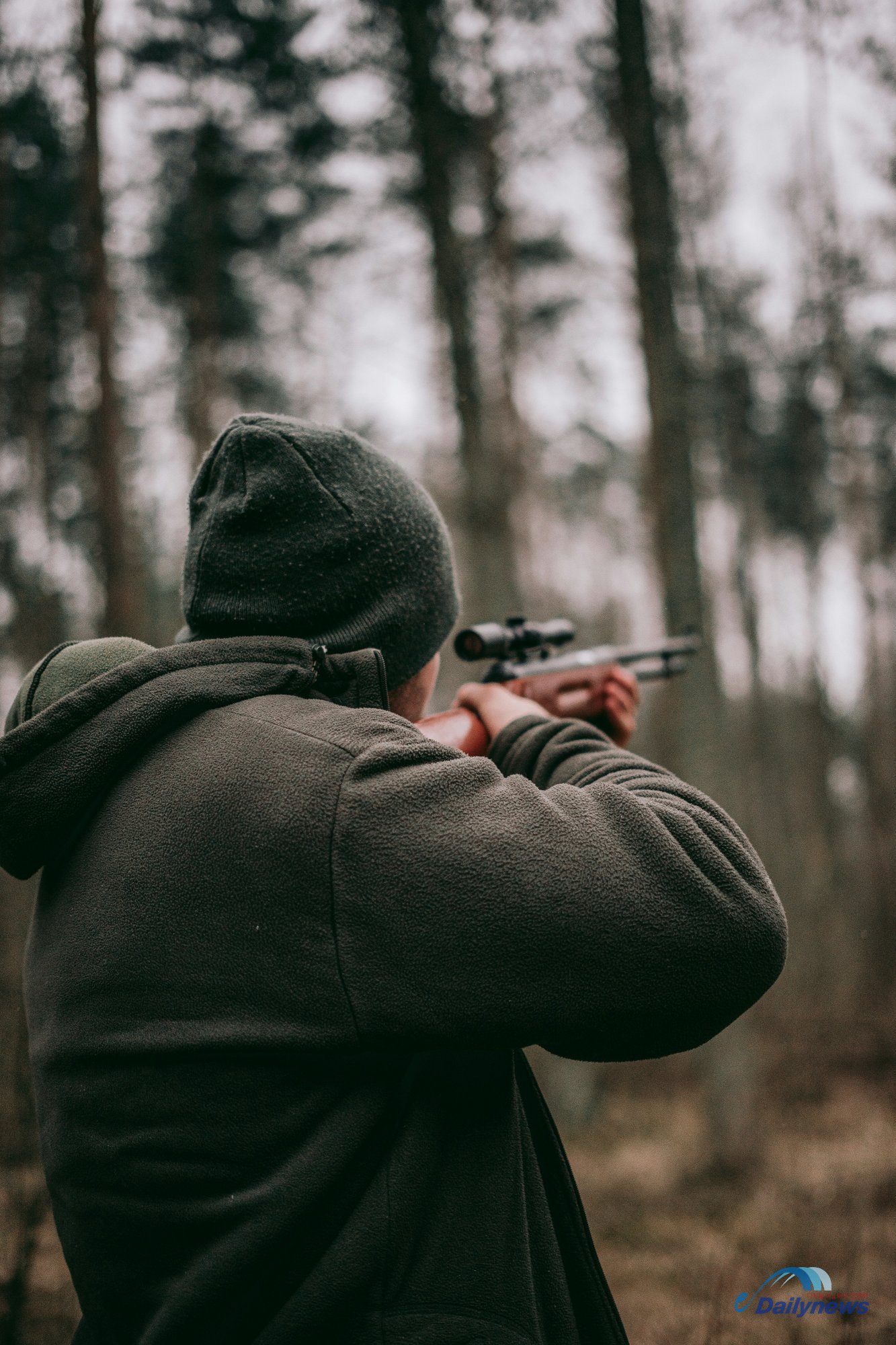
America's Wild Boar Problem: How Feral Hogs Are Reshaping Hunting, Wildlife Management and the Outdoor Industry
By Dr. Han Ko, Editor-in-Chief, Daily News
Daily News | U.S. Business, Wildlife and Outdoor Industry
UNITED STATES — Feral hogs, also commonly known as wild pigs or wild boars, have become a growing challenge for wildlife managers, farmers and landowners across the United States. Once concentrated in particular regions, these invasive animals now affect agricultural production, natural habitats and wildlife-management programs in numerous states.
The problem extends beyond environmental damage. It is also creating new demands for wildlife-control services, specialized hunting equipment, land-management technology and cooperation between government agencies and private businesses.
According to the U.S. Department of Agriculture's Animal and Plant Health Inspection Service (USDA APHIS), feral swine cause an estimated minimum of $3.4 billion in annual damage and related costs in the United States. The agency identifies agricultural losses, environmental damage, property destruction and disease risks among the major concerns.
For the hunting and outdoor industries, this presents a complex situation: feral hogs can create commercial opportunities for certain businesses while simultaneously threatening the ecosystems and wildlife resources on which sustainable outdoor recreation depends.
An Invasive Species With Significant Economic Consequences
Feral swine are descendants of domestic pigs and other introduced swine populations that became established in the wild. Their ability to reproduce rapidly, adapt to different habitats and exploit diverse food sources makes them difficult to control once populations become established.
According to USDA research, feral swine have expanded their range substantially over recent decades. They are now found in at least 35 states, with particularly significant management challenges in parts of the South and Southeast.
Their feeding behavior can cause extensive damage. Feral hogs root through soil in search of food, destroying crops, disturbing vegetation and damaging pastures. Their activity near streams and wetlands can accelerate erosion and degrade water quality.
The economic consequences extend to livestock operations. Feral swine can prey on young animals, contaminate feed and water, and transmit diseases that create additional costs for producers.
A USDA National Wildlife Research Center study, published by APHIS in July 2025, estimated that feral swine cause approximately $40 million annually in livestock predation and disease-related damage across a surveyed 13-state region, when the findings were extrapolated to livestock producers throughout that region.
These losses demonstrate why feral swine management has become an economic as well as an environmental priority.
The Impact on Native Wildlife and Hunting Grounds
The consequences for native wildlife may be less visible than crop destruction, but they are equally important.
Feral hogs compete with native animals, including deer, bears and wild turkeys, for food and habitat. They consume acorns and other natural food sources, disturb forest vegetation, and damage areas used by wildlife for feeding and reproduction.
USDA APHIS also documents feral swine predation on eggs and young of ground-nesting birds and reptiles, as well as impacts on small mammals and other native species. Their wallowing and rooting can damage wetlands, contaminate water sources and disrupt habitat conditions.
For hunters, these changes can affect the quality of hunting grounds. Damage to habitat and competition for natural food resources may alter how native wildlife uses particular areas. The extent of these effects varies by location, habitat and feral swine density.
This creates a challenge for state wildlife agencies and land managers responsible for maintaining healthy ecosystems and sustainable populations of native game species.
The issue is particularly relevant to deer and turkey hunting, two important segments of the American outdoor recreation market. Protecting the habitats and food resources these species depend on is an important part of maintaining long-term hunting opportunities.
Hunting Can Help, but It Is Not a Complete Solution
Feral hogs have also become a target for recreational hunters and specialized hunting operations. In some locations, landowners permit or organize hog hunts as one component of their efforts to reduce damage.
These activities can create demand for guided hunting services, outdoor clothing, optics, night-vision or thermal-imaging equipment where lawful, trail cameras, tracking technology and other field equipment.
However, an important distinction must be made between hunting feral hogs for recreation and managing a population to reduce its overall numbers.
USDA APHIS recommends integrated management strategies tailored to local conditions. Depending on the circumstances, these may include trapping, targeted removal, surveillance, exclusion measures and coordination with wildlife professionals.
Recreational hunting alone may not achieve the population reductions required for effective long-term control. Feral swine reproduce quickly, and removal efforts can be undermined when animals survive, disperse or recolonize an area.
For this reason, a successful management program must be evaluated by measurable reductions in damage and population pressure, rather than simply the number of animals harvested.
The distinction has commercial implications. Businesses that support responsible, coordinated wildlife management may serve a more sustainable market than operations focused exclusively on providing recreational access to feral hogs.
Technology Creates Opportunities for the Outdoor Equipment Industry
The challenge of controlling feral swine is creating practical applications for technologies already used in hunting, agriculture and wildlife management.
Several areas warrant attention from manufacturers and technology companies.
Thermal imaging and optical equipment: Thermal-imaging devices and advanced optics can assist trained personnel with locating animals in suitable conditions. Their use must comply with applicable state and federal rules, particularly those governing hunting methods and equipment.
Trail cameras and remote monitoring: Camera systems can help landowners and wildlife managers monitor animal activity, identify movement patterns and evaluate whether management measures are working.
GPS and mapping technology: Digital mapping can help coordinate field teams, document affected areas and track management activity across large properties.
Smart trapping and remote alerts: Sensors and remote notification systems can improve the monitoring of traps, potentially reducing unnecessary site visits and helping operators respond more efficiently. Equipment must be selected and used in accordance with applicable animal-welfare and wildlife regulations.
Data analytics: Software can help combine camera observations, field reports, property records and damage assessments to support more informed decisions about where and when management resources should be deployed.
These applications illustrate a broader trend: the convergence of traditional hunting equipment, precision manufacturing, digital sensors and wildlife-management technology.
For the outdoor industry, the commercial opportunity lies not simply in selling more equipment, but in developing products that solve identifiable operational problems and demonstrate measurable value.
Business Opportunities—and Responsibilities
The feral swine challenge may support several segments of the outdoor and wildlife-management economy.
Equipment manufacturers may find demand for rugged optics, durable field gear, remote monitoring systems and specialized accessories. Technology companies may develop software and sensor systems for landowners, wildlife-control operators and agricultural businesses.
Professional service providers may also find opportunities in habitat assessment, population monitoring, property protection and coordinated removal programs.
However, these markets come with responsibilities. Products must meet applicable legal requirements, and wildlife-management services should be designed around legitimate control objectives and ecological outcomes.
Businesses must also avoid overstating the effectiveness of their products. A camera, sensor or hunting accessory may support a management program, but no single technology guarantees eradication or long-term population control.
For investors, the strongest opportunities may be found in businesses with credible technology, clearly identified customers, repeatable service models and evidence that their solutions reduce costs or improve management outcomes.
A Long-Term Challenge for Wildlife Management
The feral hog problem illustrates the close relationship between invasive species, environmental protection and the outdoor economy.
Hunting and outdoor recreation depend on healthy habitats, viable wildlife populations and responsible land management. When invasive animals damage those resources, the consequences can extend to farmers, landowners, wildlife agencies, outdoor businesses and recreational users.
Addressing the challenge requires coordinated action involving government agencies, private landowners, researchers, hunters and technology providers. It also requires realistic expectations about what recreational hunting and individual products can accomplish.
For the hunting and outdoor equipment industry, feral swine management is an important example of how environmental challenges can generate demand for specialized products and services while highlighting the need for responsible business practices.
As the United States continues to confront the spread of invasive feral swine, the long-term objective should remain clear: reduce damage, protect native wildlife and agricultural resources, and support a sustainable outdoor recreation economy.
About Daily News
Daily News covers business, technology, hunting, fishing, outdoor sports, investment, international trade, economic development and developments affecting U.S. and global markets.
About the Author
Dr. Han Ko is Editor-in-Chief of Daily News and President and CEO of USAKO Group, an international investment and business development firm connecting U.S. and Asian markets. His professional interests include technology investment, advanced manufacturing, international market expansion and economic development.


댓글
0